

Growth, SEO, AI and content marketing for defence and security companiesCredibility, multilingual reach and genuine subject expertise matter more than a fast conversion, and the buyer is often researching quietly and carefully long before ever making contact
So much more than just another defence marketing agency
Government and defence procurement runs on tendering cycles measured in years, not weeks, and no amount of paid media moves a procurement office.
The buyer here is also often researching quietly, long before anyone from their side ever makes contact, which means the work has to be found and trusted well before a conversation starts, not persuaded during a call.
We know this from direct experience, not just from writing about it.
Fortivus, our own sister company in defence and resilience, works with governments, defence organisations and critical infrastructure operators across Europe, MENA, APAC and the Americas. It runs a multilingual site spanning more than twenty languages, built for exactly the institutional and diplomatic audience this sector actually has.
| Company type | What buyers respond to | Primary Blu Mint service |
|---|---|---|
| Defence technology and hardware manufacturers | Documented, citable announcements and genuine AI search visibility | Content and PR, plus SEO |
| Defence and resilience consultancies | Institutional credibility and quiet, relationship led positioning | Content and PR, plus social media |
| Critical infrastructure and defence adjacent cybersecurity | Genuine technical and compliance depth | SEO and content |
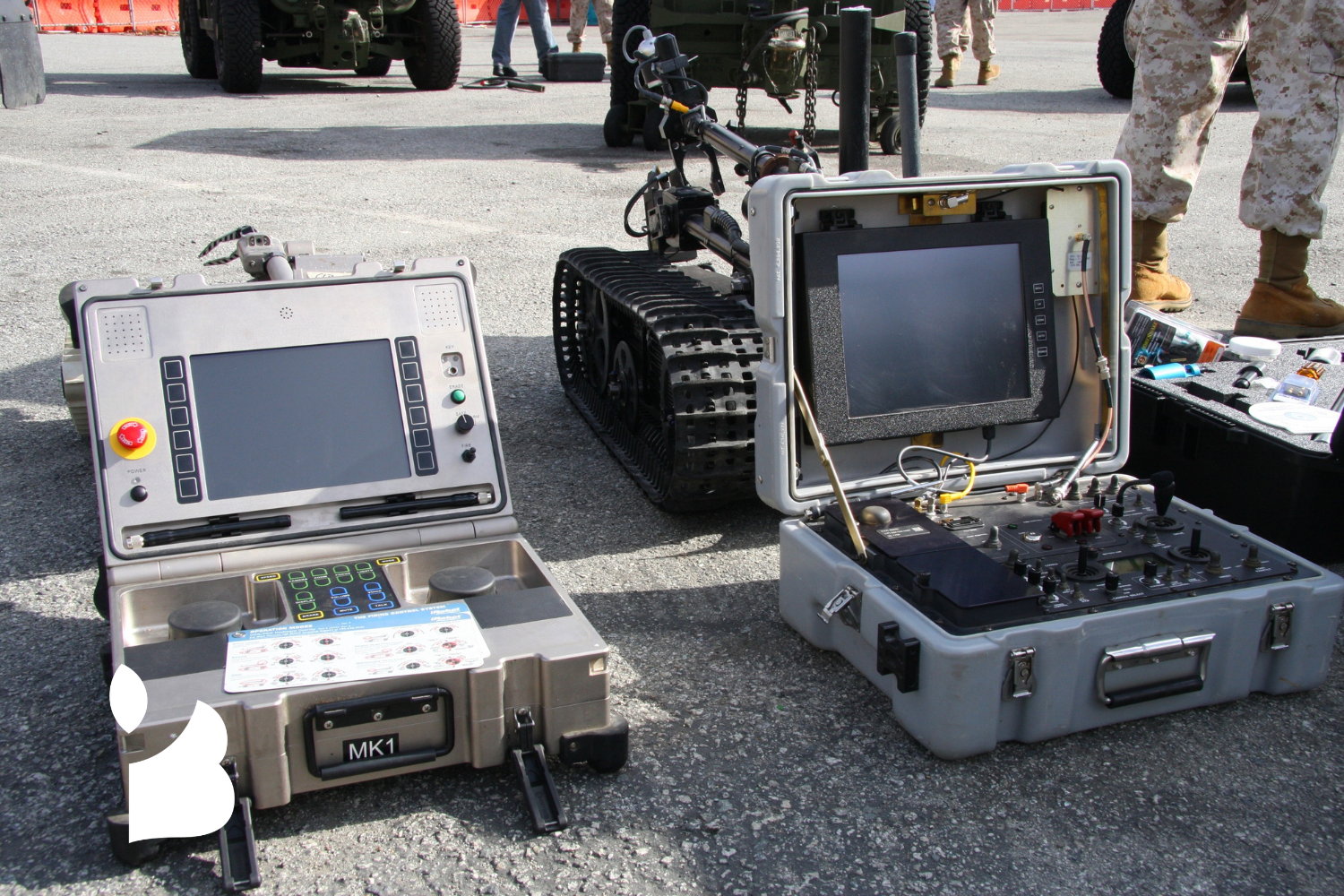
Defence technology and hardware manufacturers
A defence technology buyer, a procurement officer or a prime contractor, works on a genuinely different timeline and set of trust signals to a normal SaaS buyer. Most marketing pitches into this space still assume a discovery problem, how do we get you found, when the real problem is distribution, how do we make sure your position spreads accurately everywhere it needs to.
For a defence technology or hardware company, that typically means
PR led content built around real, named announcements and partnerships, extending existing PR and comms work rather than competing with it
AEO structured explainer content, so a company is the source actually cited when someone researches a capability gap, not just the subject of a press release
Multilingual content matched to real partner markets, not generic international copy
Genuinely compliance fluent writing, aware of ITAR, EAR, CFIUS and increasingly CMMC on the US side
Defence and resilience consultancies
A consultancy in this space is usually evaluated on institutional credibility and real relationships rather than marketing claims, positioning built through embassy relationships, industry events and quiet, consistent presence rather than a public advertising campaign.
For a defence or resilience consultancy, that typically means
A multilingual website matched to the actual countries a consultancy operates in, built for a diplomatic and institutional audience rather than a generic corporate template
Thought leadership content published under named leadership, not generic commentary that could belong to any consultancy in the space
Social media content built for an institutional audience, covering real events and genuine subject matter rather than a consumer style feed
Discretion built into every piece of content from the start, real care over what leadership and personal information gets published, given the genuinely higher stakes this sector carries


Critical infrastructure and defence-adjacent cybersecurity
This buyer is technical and evaluates architecture and compliance directly, similar to cybersecurity in a general tech context; however, it has a defence-specific compliance layer and a government-facing audience that expects genuine fluency in that layer rather than a generic cybersecurity pitch.
For a critical infrastructure or defence-adjacent cybersecurity company, that typically means
Technical content that survives real scrutiny from a government or critical infrastructure evaluator
SEO and AEO structuring built around the specific compliance and capability questions this buyer actually searches
Compliance-fluent content covering the actual regulatory frameworks relevant to critical infrastructure, not generic security marketing language
Content built to be cited directly by AI systems researching a specific capability gap, since that's increasingly how procurement research starts
Paid media plays a much smaller role across this whole sector than in most industries we work in, since it rarely moves a genuine procurement conversation. Where PPC does still earn its place is in narrower defence sector recruitment campaigns and in promoting public-facing events and conferences rather than trying to shortcut a tender process.
FAQs
-
Government and defence procurement runs on tendering cycles measured in years, evaluated by committees and formal criteria rather than an individual clicking an ad. A fast, aggressive paid campaign simply doesn't reach or move the actual decision making process, which is why credibility built through content, SEO and genuine AI search visibility does more real work here.
-
A growing share of defence and security research now happens through AI systems answering specific capability and compliance questions, before anyone ever reaches out directly. Content built to be cited accurately in that kind of answer, not just a press release that gets syndicated once and forgotten, is becoming a genuine requirement rather than a nice to have.
-
Yes, genuinely, and it's a documented concern rather than an abstract one. Companies connected to sensitive defence supply chains have faced real, reported intimidation in recent years, which is a reason to build discretion into communications from the start, careful handling of leadership and personal information, real verification rigour, rather than a reason to go quiet altogether.
