

Renewable Microgrid DesignA regulated, community-driven sector where audiences spot inauthentic marketing immediately, so trust, accuracy and real knowledge of the game count for more than volume
So much more than just another sports betting marketing agency
Gaming, sports and betting share an audience that knows the subject well.
A punter can tell a guide written by someone who understands the market from one that was padded to a word count, and a sports fan notices a wrong statistic straight away.
What earns attention here is accurate detail, a genuine point of view and honest explanation of how things work.
Much of the sector is also tightly regulated.
Advertising rules for betting and casino products differ by country and are strict in many, so marketing has to earn its place through clear information and content that survives compliance review. We have written casino game reviews, sports betting guides and long-form sports stories for sportsbooks, casino brands and a sports statistics platform, so the audience, the rules and the vocabulary are familiar to us.
| Company type | What buyers respond to | Primary Blu Mint service |
|---|---|---|
| Betting and casino operators | Visible licensing, honest explanation and responsible gambling | SEO and content |
| Sports betting content and tools | Accurate data and guides that teach | Content and web design |
| Sports data and technology providers | Coverage, speed and documentation they can verify | SEO and content |
| Sports media and publishers | Original analysis that earns a loyal audience | Content and SEO |
| Clubs, leagues and federations | Fan connection and proof of value for sponsors | Social media and content |
| Events, venues and entertainment brands | Timely reach around each event | PPC and social media |
| Game studios and publishers | Community, discoverability and launch momentum | Social media and PPC |
| Esports and gaming platforms | Audience building and sponsor-ready content | Social media and content |

Betting and casino operators
An operator competes for trust before it competes for anything else. Search results are crowded with affiliate sites, players check that a brand is licensed and legitimate, and paid channels are restricted in many markets. The operators that last build authority through information that helps people understand a product, and they treat responsible gambling as part of the brand.
For a betting or casino operator, that typically means
SEO built around real questions, such as how odds and markets work, how a game or a bonus is explained, and how deposits and withdrawals operate, so the brand earns visibility that does not depend on affiliates
Content written in the language of the sport or the game, including game and slot reviews that describe how a game plays and what to expect, edited for accuracy and reviewed against each market's rules before publication
Prominent licensing, age and responsible gambling information, presented clearly and consistently across every page
Localised content for each regulated market, since a single translated site rarely satisfies either local players or local rules
Sports betting content and tools
Guides that explain a sport and how people bet on it are some of the most searched content in the sector, and they build trust for the sportsbook or tool behind them. A statistics platform or analysis service is judged on the accuracy of its data, the speed of its updates and how much a user can test for themselves. A subscription business also has to turn a free trial into a paying user.
For a sports betting content or tools company, that typically means
Guides to sports and betting markets written for both newcomers and experienced bettors, explaining the rules, the terms and the risks in plain language
Long-form stories, such as underdog runs and famous upsets, that build an audience and earn links and search visibility without a hard sell
A website that shows a tool working, with clear feature pages, real screenshots and a short path to a free trial
Match previews and data-led articles structured so that search engines and AI assistants can quote the underlying numbers, in the languages of the markets served
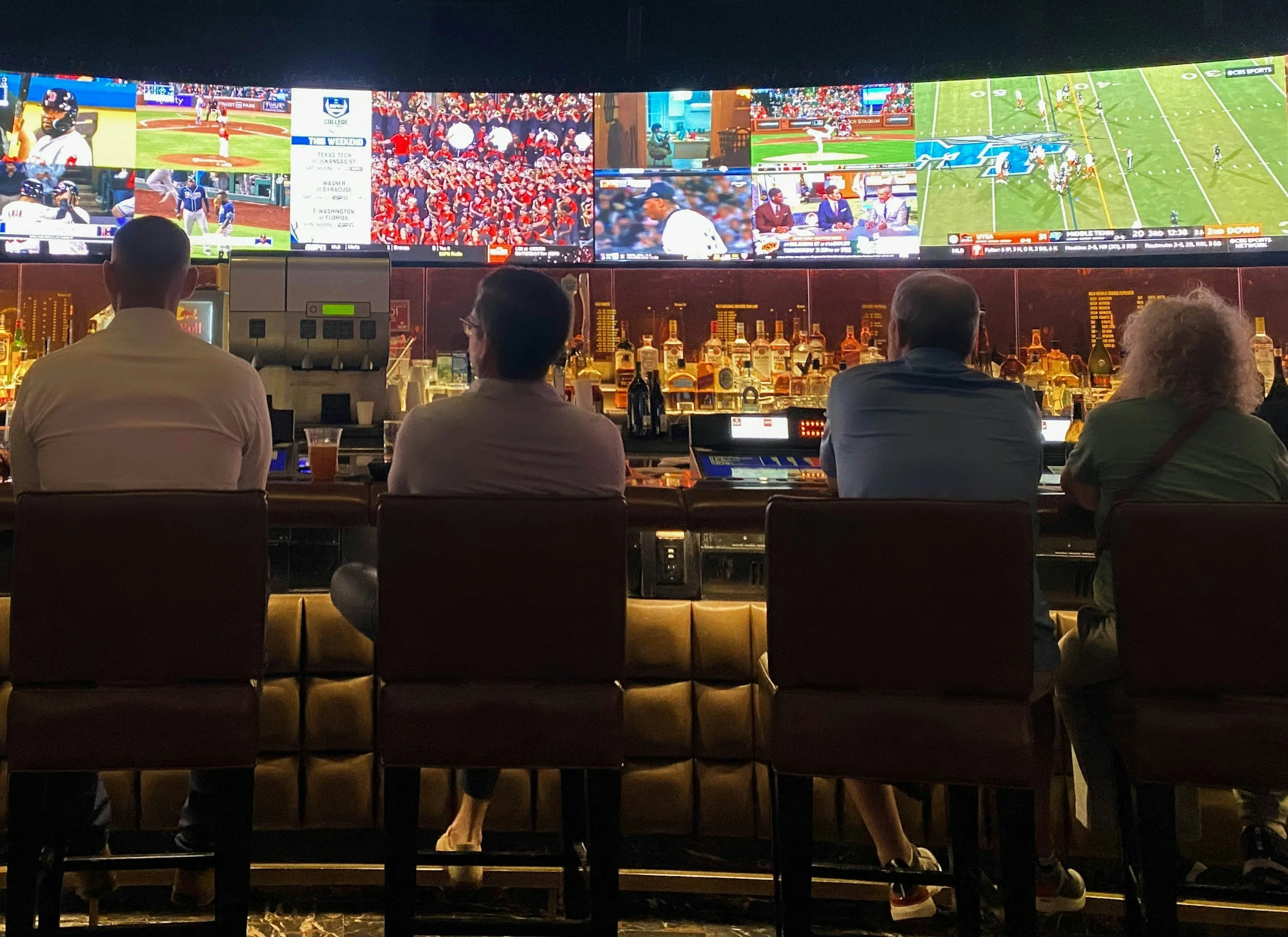

Sports data and technology providers
Sports data is big business.
Suppliers of live scores, odds, statistics and analytics sell to operators, media companies and clubs, and those buyers, often trading teams, product managers and engineers, compare providers on coverage, speed, accuracy and the licence behind the data. Sales cycles are long, the evaluation is technical, and a vendor that cannot show its coverage and documentation plainly rarely gets past the first look.
For a sports data or technology provider, that typically means
Coverage pages that state exactly which sports, leagues, markets and data types are supported, so buyers and AI assistants can verify what a provider offers without a sales call
Documentation-quality content, such as integration guides, data dictionaries and clear explanations of latency and update speeds, since technical evaluators read these before anything else
Case studies that describe how an operator, publisher or club used the data and what changed, with named results where the client agrees and anonymised ones where it does not
SEO and structured explainers around the questions buyers actually search, such as how odds feeds work, what official data means and how to compare providers
Sports media and publishers
A sports publisher or creator competes on the quality of its analysis and the speed of its coverage. Search and AI assistants now answer many simple questions directly, so original insight and reliable detail are what still bring readers back.
For a sports media business or publisher, that typically means
Previews, tactical analysis and statistical features that add something a results page cannot, edited for accuracy before publication
Evergreen guides, such as rules explainers, competition histories and player profiles, that keep earning search traffic between fixtures
A calendar built around the sporting year, planned ahead for major fixtures, transfer windows and tournaments
Structured content, with clear answers early and consistent statistics, so AI assistants can cite the publisher directly


Esports and gaming platforms
Esports organisations, tournament platforms and gaming communities depend on an engaged audience, and their commercial value comes from sponsors who want access to it. The content has to serve both, keeping fans interested and showing partners what they are buying.
For an esports or gaming platform, that typically means
Social content built around players, teams and matches, adapted for each platform rather than repeated across all of them
Editorial content, such as previews, recaps and player profiles, that builds a loyal audience and earns search visibility
Sponsor-ready material, including audience data and case studies of past partnerships, so commercial conversations start from evidence
Content for the platform's own site that explains how to join, compete or watch, written to be found and cited by AI assistants
Events, venues and entertainment brands
An event or venue has a short window to sell tickets and build atmosphere, and its audience decides quickly. Timing and clarity matter, as does making the next step to buy or attend simple.
For an event, venue or entertainment brand, that typically means
PPC timed to the on-sale and the run-up, sent to landing pages that show the date, place and price and make buying easy
Social content that builds anticipation before the event, captures it during and keeps people talking afterwards
Pages for every event, artist, team or fixture, written to be found when people search for them by name
Follow-up content that turns a one-off attendee into a returning one

FAQs
-
The audience knows the subject well and quickly dismisses anything generic, and much of the sector is regulated. Betting and casino advertising is restricted in many markets, so credible information, clear licensing and content that survives compliance review do more than volume.
-
Fans and bettors increasingly ask an AI assistant how a market works, what a term means or how a team has been playing. Accurate, well-structured pages that answer those questions directly are the ones an assistant can cite, and clear licensing and responsible gambling information supports that trust.
-
We write to the rules of each market you name, keep claims precise, disclose commercial relationships clearly, and include your required licensing, age and responsible gambling wording. We do not write content that promises winnings. Your compliance team reviews each piece before it is published, and we agree the markets and the approval process at the start.
-
Yes. Buyers of sports data compare providers on coverage, speed, accuracy and documentation, so we build content that lets them verify those things without a sales call. It is a technical, considered sale, and the marketing has to match.
-
Yes, and we treat them as different jobs. An operator builds trust in a regulated market, while a publisher builds an audience through analysis and coverage. The same plan would waste budget on the wrong channels for each.