

Growth, SEO, AI and content marketing for tourism & hospitality companiesTravellers now plan trips with search engines and AI assistants long before they book, so the brands that answer their questions win the booking
So much more than just another tourism and hospitality marketing agency
Travel is researched more thoroughly than almost anything else people buy.
A traveller compares destinations, reads reviews, checks prices across several sites and, increasingly, asks an AI assistant to plan the trip for them. The hotels, tour operators and experiences named in those answers are the ones with clear, specific and up-to-date pages about exactly what they offer.
Hospitality brands also compete with the booking platforms that sell their own rooms and tours back to them, and take a commission on every sale. Every booking that comes through your own website instead is worth more to you.
Most travel brands also need to reach visitors in more than one language.
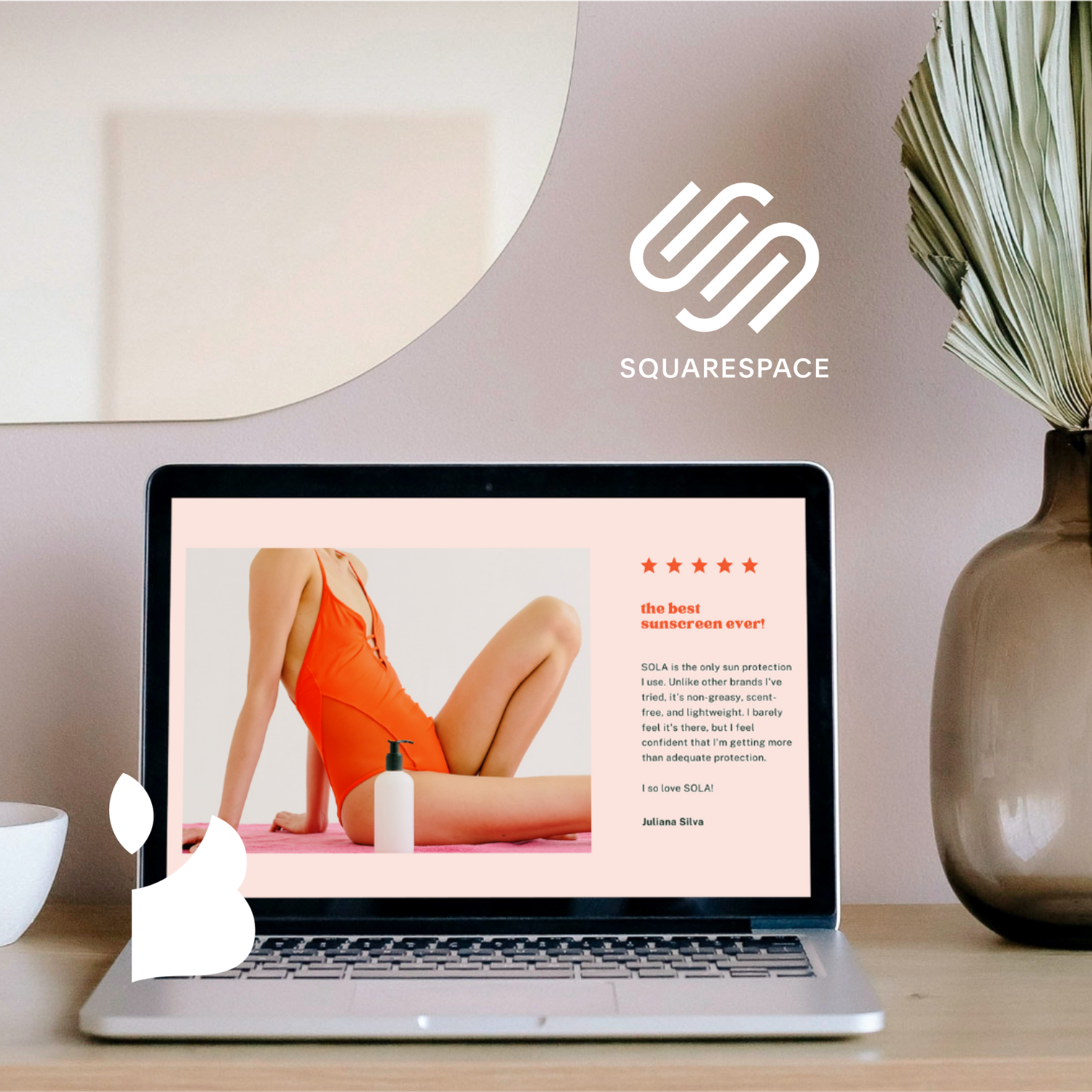
We’ve moved a wellness business in Nice from WordPress to Squarespace, with SEO built into the new site from the start, on a site that runs in both English and French.
| Company type | What buyers respond to | Primary Blu Mint service |
|---|---|---|
| Hotels and resorts | A strong first impression and an easy way to book direct | SEO, PPC and web design |
| Tour operators and experiences | Clear details, real reviews and inspiring content | Content and social media |
| Wellness, spa and leisure | Being found nearby, in their own language | Local SEO and web design |
| Travel tech and booking platforms | Honest comparison and proof the product works | Content and AI search |
Hotels and resorts
Independent hotels and boutique groups compete with chains with far bigger marketing budgets and with booking platforms that rank above them for their own name. The guest is choosing an experience as much as a room, and wants to see it before they book.
For a hotel or resort, that typically means
SEO for the destination, room types and experiences guests actually search for, so the hotel’s own site appears alongside the booking platforms
PPC on branded and high-intent searches, so guests searching for the hotel by name book directly instead of through a third party
Google Business Profile management and a steady flow of genuine reviews, since these often decide where a traveller stays
A website with strong photography, clear room information and a booking journey that works well on a phone.

Tour operators and experience providers
Tours, activities and experiences are often booked days before or during a trip, usually on a phone. Travellers want to know exactly what’s included, how long it takes and what other people thought.
For a tour operator or experience provider, that typically means
Content that answers the questions travellers ask when planning, such as the best things to do in a destination, what a tour includes and when to go, written so AI assistants can cite it
AI search optimisation, with structured pages for each tour or experience
Social media and influencer content that shows the experience itself, since travellers often decide on Instagram and TikTok
PPC for seasonal demand, with campaigns that follow peak booking periods for each destination
Wellness, spa and leisure
Spas, wellness retreats and leisure venues sell to both locals and visitors, often by appointment. Many are small teams who need to be found by people searching nearby, in whatever language those people use.
For a wellness, spa or leisure business, that typically means
Local SEO and Google Business Profile management, so the business appears when visitors search on arrival
A website in more than one language, built so search engines understand which version to show each visitor
Treatment and service pages that answer real questions about each treatment, how long it takes and who it suits
Platform migrations done without losing rankings, with redirects and SEO checked before and after launch.
Travel tech and booking platforms
Travel tech companies sell software to hotels, tour operators and travel agencies, and they face the same challenge as any B2B software company. Buyers compare several tools and increasingly ask an AI assistant which one to shortlist.
For a travel tech company, that typically means
Content writing that explains the problem the product solves in the language hoteliers and operators use
Comparison and category pages, so the product is cited when buyers research a type of tool rather than a brand
SEO for the integrations, features and use cases buyers search for
Thought leadership on how travel businesses are changing the way they sell and operate
FAQs
-
Travellers research for longer and compare more options than almost any other buyer, and booking platforms compete for the same customers. A brand that answers travellers’ questions clearly and makes direct booking easy keeps more of each sale.
-
Travellers increasingly ask AI assistants to suggest destinations, hotels and things to do. Clear, specific and current pages about what a business offers are the ones an assistant can recommend. Vague or outdated pages leave it nothing to cite.
-
Yes. That usually combines SEO for the searches guests make before they book, PPC on branded searches, Google Business Profile management and a website that makes booking quick on a phone.
-
Yes. We build and migrate sites in several languages, set up so search engines show each visitor the right version. Most travel brands need at least one language besides English.
