Why a US SaaS company expanding into Europe needs more than a translated website

Why a US SaaS company expanding into Europe needs more than a translated website
A Spanish user asks ChatGPT which cosmetics brands are worth buying.
The answer comes back in Spanish. Every single source behind it is an English-language website.
Not one Spanish brand makes the list, not because none exist, but because English-language sites carry more backlinks and citations - the signals AI models actually use to judge which sources to trust.
Peec AI tested this directly and found that 43% of the research ChatGPT performs behind a non-English prompt happens in English anyway.
A European user asking a question in their own language still gets an answer, nearly half the time, built on English sources they never asked for.
For a US SaaS company thinking Europe is one big English-speaking market with a few translated pages bolted on, that's the gap this whole article is about.
The audience isn't reading in English as often as you'd assume
OpenAI's own usage data, reported by Search Engine Journal in mid-2026, shows that over half of active ChatGPT consumer users now predominantly use a language other than English, with Spanish, Portuguese and Arabic the most common. That's not a niche segment. That's most of the platform.
The pattern holds on the SEO side too, not just AI search.
Non-English keywords carry roughly 45 to 75% lower competition than their English equivalents, citing Ahrefs data, genuine whitespace most US companies never bother competing for
Only 18% of multilingual sites correctly implement hreflang tags, the same source reports, which means the vast majority are quietly serving the wrong language version to the wrong searcher
Native-language pages rank three to five times higher than English pages in non-English Google results, according to Moz
A translated page competing for scraps against an untranslated one isn't unusual. It's the default outcome of doing this without a real technical strategy behind it.
How AI Overviews actually handle a query in French, German or Spanish
AI Overviews already appear in roughly 20% of Google searches in major English-speaking markets, and the rollout is extending into Spanish, French, German, Portuguese and Japanese. That's not a future consideration. It's already live in the markets a US SaaS company is most likely to be targeting first.
The Peec AI finding from earlier in this piece matters more once you sit with it properly.
From Fortivus website in French
If 43% of the research behind a non-English AI answer still happens in English, an AI system answering a French buyer's question about billing software is pulling from whichever sources it trusts most, and English-language sites currently carry more of the backlinks and citations that build that trust.
A US SaaS company with no French-language content isn't just invisible to French Google searches. It's also invisible to the French-language question a buyer types into ChatGPT, even when a decent English answer exists elsewhere on the same site.
This is where Chargebee's literal-translation mistake matters twice over.
Content translated without contextual accuracy doesn't just read awkwardly to a human buyer; it also reads as lower-quality to whichever AI system is deciding what to cite, and quality is exactly the qualifying question, not just relevance.
What a multilingual seo website build actually looks like
We've written before about what building a real multilingual site involves, using Fortivus, a defence and resilience consultancy, as the proof point.
That site currently runs in 24 languages, with a language-first architecture, hreflang implemented properly rather than bolted on, with a target of 40 languages once the remaining markets are prioritised.
Getting from 24 to 40 isn't a translation task.
Each new language is its own build, its own keyword research, its own review, which is exactly why most companies stall out somewhere in the low double digits and call it finished.
JALG, a Scandinavian TV stand maker, shows what that discipline looks like at a smaller scale. Their site runs fully localised versions in Danish, French, German, Italian and Spanish, and it isn't a translated template with the English text swapped out.

From JALG’s Danish-language website
Product names change per market, testimonials are translated rather than left in English, and even the legal entity name in the footer switches from Esthete Ltd on the English site to Esthete GmbH on the German one.
That's the kind of detail a translation plugin never catches, because it isn't translating; it's checking whether the whole page still makes sense to someone reading it as a native document rather than an imported one.
Which European languages should you prioritise first
Not every market needs localised content to convert.
The Nordics and the Netherlands, for instance, convert reasonably well in English, given how high English proficiency runs there.
Germany and France are a different story entirely, where SaaS expansion research consistently finds that localised content is required, not optional, for the same product to actually land.
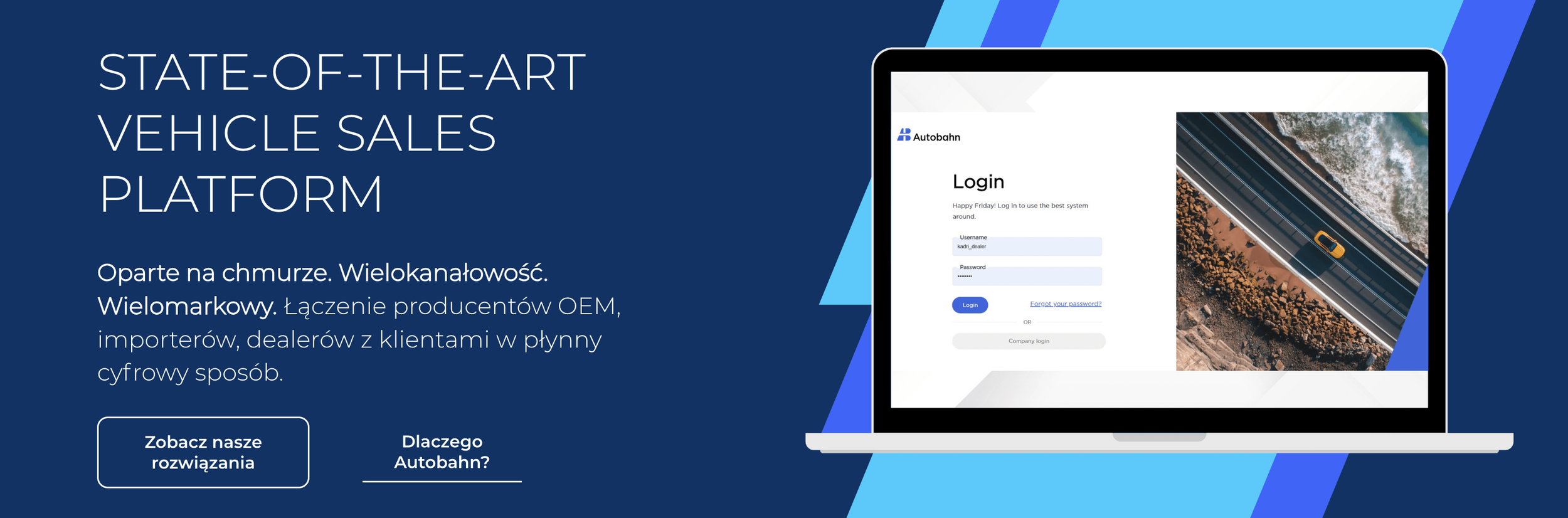
A vehicle sales platform we work with is a live example of the same logic in a market outside Germany and France. Their Polish expansion runs with genuinely localised marketing, not a translated banner with the English layout kept intact, and Poland is growing into a real market for them as a result.
German deserves the first serious look for most US SaaS companies.
It's the most widely spoken language in the European Union by native speakers; German buyers generally prefer conducting business in their own language even when their English is strong, and Germany's regulatory environment rewards products that can speak fluently to compliance requirements - an advantage rather than a barrier if the content is built for it.
The results back this up directly.
Napta, a resource management SaaS company, translated its content for the German market, then brought in local SEO specialists to optimise it further. The result was a 4x increase in German organic traffic, a number translation alone doesn't produce.
It's also worth learning from what goes wrong. Chargebee, a billing platform operating across multiple markets, has been open about an early German launch where they translated "recurring billing" literally, missing the contextual meaning entirely. The fix wasn't a better translator. It was treating each technical term as something to be localised deliberately, not converted word for word.
Market size still matters more than linguistic convenience for enterprise-focused products specifically.
A company selling to the largest companies in Europe should prioritise markets where enough of its actual ideal customer profile exists, not the market that happens to be easiest to translate into.
Why this matters more than a passing localisation checklist
Getting the words right isn't the same as getting the tone right, and tone is where a lot of US-built content quietly fails outside its home market.
We've written separately about the actual difference between web copy and web content, and the same distinction gets sharper across a border. Marketing copy that lands as confident and direct in American English can read as pushy or presumptuous once it's translated literally into German or French, where a more understated, credibility-first tone tends to convert better with the same buyer.
A UK fashion label, Represent, is a useful example from outside our own client work.
They launched a German subfolder with translated calls to action and local payment options, doubling their organic traffic and lifting conversions by 30%. Nothing about that result came from translation alone. It came from treating the German market as a market, not as an English site with different words on it.
That distinction matters most for a SaaS company specifically, because the product itself doesn't change between markets the way a physical product's shipping and payment details do.
What changes is entirely in the content, the case studies a German buyer finds credible, the compliance language a French enterprise procurement team expects to see, the level of directness an American sales page assumes is normal and a European one might read as overreach.
Get the product pages right and miss that layer, and the translation reads as competent while still failing to convert.
What a US SaaS company actually needs to do

For a company considering expansion into Europe, here's a practical checklist.
Choose a language-first architecture over a country-first one, so a single German-language section can serve German speakers wherever they are, rather than fragmenting the market into unnecessary regional variants.
Implement hreflang correctly from day one, since retrofitting it onto an English-only site costs far more than planning for it.
Localise tone and register per market, not just vocabulary, treating each language as its own audience with its own expectations of how directly a company should sell to it
Build local backlinks and citations deliberately, since AI models lean on exactly those signals when deciding which sources to trust in a language that isn't English.
Language-first isn't an absolute rule.
Where genuine regulatory differences exist between countries sharing a language, Spanish e-commerce law in Spain isn't the same as Spanish e-commerce law in Argentina; country-specific pages still make sense alongside the language-first structure. The two approaches aren't mutually exclusive. Most sites that get this right combine them: a general Spanish-language section for most content, with country-specific pages only where e-commerce regulations actually force the split.
None of this happens through a translation plugin over a weekend.
It's the same discipline behind Fortivus's 24 languages and JALG's five, applied to whichever European markets a US SaaS company is actually trying to win.
It's also worth being honest that this compounds slowly rather than all at once, the same way the SEO and content investment we've written about elsewhere does. A market entered properly in month one is still building authority in month twelve.
A market entered with a translated homepage, and nothing else, usually looks the same in month twelve as it did on day one.
Where Blu Mint fits
This is the practical, market-specific half of the multilingual SEO question; our existing multilingual SEO piece covers the general architecture; this one is aimed specifically at US companies looking at Europe and wondering where to start.
Get in touch if that's where you are, and we'll work out which markets are worth building for first.
-
It depends on the market. The Nordics and the Netherlands convert reasonably well in English, given how high proficiency runs there. Germany and France are different, research consistently finds localised content is required there, not optional, for the same product to actually land with buyers.
-
German, for most US SaaS companies. It is the most widely spoken language in the EU by native speakers, German buyers generally prefer conducting business in their own language even when their English is strong, and a regulatory environment that rewards products able to speak fluently to compliance requirements.
-
Language-first serves one version per language regardless of country, a single German section reaching German speakers wherever they are. Country-first builds separate versions per country. Language-first is usually the simpler, right answer, country-specific pages only make sense where genuine regulatory differences exist between countries sharing a language.
-
Yes, in a way most companies have not caught up to yet. Testing has found that 43% of the research ChatGPT performs behind a non-English prompt still happens in English, since English-language sites currently carry more of the backlinks and citations AI models use to judge trust. A site with no French-language content is invisible to a French AI answer too, not just French Google searches.
